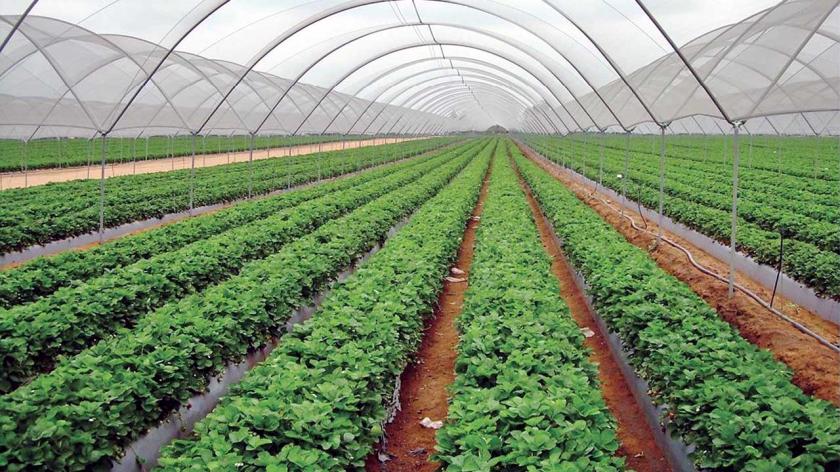
Kathmandu, May 30. The government has reduced the budget allocation for the agriculture and livestock sector for the upcoming fiscal year 2083/84. Through the new budget, Rs. 46.92 billion has been allocated to the sector.
In the current fiscal year 2082/83, Rs. 57.47 billion was allocated to the agriculture and livestock sector. Compared to the current fiscal year, the allocation for the upcoming fiscal year has been reduced by approximately Rs. 11 billion.
The government has allocated Rs. 32.46 billion for the purchase of chemical fertilizers in the upcoming fiscal year. It has also stated that a fertilizer supply calendar will be prepared to ensure the smooth distribution of fertilizers during the main food crop planting season. A budget of Rs. 2.07 billion has been allocated for the National Agriculture Modernization Program.
A “Green Urea” fertilizer industry will be operated under a company model through cooperation between the Nepal Electricity Authority and the private sector. To promote Green Urea production by the private sector, the government will arrange purchase guarantee agreements and provide electricity at concessional rates.
Similarly, Rs. 360 million has been allocated for conditional grants to local governments to promote organic and green fertilizers.
To increase the utilization of cultivable riverbed lands, unused government lands, and barren lands, land banks will be established at the local level, and the private sector will be encouraged to engage in agri-pooling.
Mango processing centers will be established in Siraha and Saptari, a tomato processing center in Sarlahi, and fruit zones for apples, walnuts, and other fruits in Karnali Province. The government will also move forward with the establishment of cold storage centers. Unused privately owned cultivable land will be converted into shares of commercial agricultural companies and encouraged for the operation of agriculture and livestock farms.
A budget of Rs. 2.19 billion has been allocated for subsidies on agricultural insurance premiums. To expand farmers’ financial access and facilitate cash flow management, a warehouse receipt financing system will be introduced based on the certification of agricultural produce storage.
The government is preparing to launch a pilot program that will provide up to a 40 percent incentive grant to farmers making an initial investment of at least Rs. 20 million in agricultural and livestock production. The proposal states that this grant will be reimbursed at a rate of 10 percent annually for four consecutive years from the date production begins.
The budget includes measures to prevent the misuse of agricultural subsidies by providing genuine farmers with support for improved seeds, fertilizers, irrigation, electricity, and agricultural insurance. In addition, the government will provide up to an 80 percent premium subsidy for agricultural and livestock insurance while gradually phasing out other forms of subsidies.
Priority will be given to the revitalization of agricultural research and development centers across the country, focusing on the development of improved seeds, climate-adapted crop varieties, agricultural biotechnology, and productivity-enhancing research.
The government plans to soon present an Agriculture Bill in Parliament to ensure fair prices for agricultural products and establish a legal framework governing contracts, subsidies, and regulations between farmers and buyers.
Likewise, businesses that purchase agricultural products directly from farmers will be provided with concessional loans and interest subsidies through the budget.
The government has fixed the minimum support price for paddy.
Wednesday, May 27, 2026

What are the current wholesale prices of vegetables and fruits at Kalimati Market today?
Sunday, December 14, 2025
Organic Oranges From Nepal Agro Tourism Now Available in Key Cities
Wednesday, December 10, 2025
Agro Tourism in Nepal
Sunday, November 16, 2025
We Are Developing an ‘Online System’ to Ensure Fertilizers Reach Farmers: Minister Pariyar
Sunday, November 9, 2025