1. Introduction
Nepal, a country rich in natural beauty, biodiversity, and indigenous culture, is one of the finest tourist destinations in the world. Traditionally, Nepal has been recognized mainly for mountaineering and trekking. However, in recent years, a new and popular dimension has emerged in the tourism market — Agro-tourism.
As Nepal is an agriculture-based country and the majority of its population depends on agriculture for their livelihood, the country holds immense potential for agro-tourism. Both domestic and international tourists seeking to escape the hustle, pollution, and stress of modern urban life are increasingly attracted to Nepal’s peaceful rural environment, local farming practices, organic food culture, and authentic indigenous traditions.
2. The Relationship Between Agro-Tourism and Eco-Tourism
In Nepal, agro-tourism is regarded as a strong pillar of eco-tourism and rural tourism. It contributes to the economic development of local communities without causing harm to nature and the environment.
Organic Farm Stay
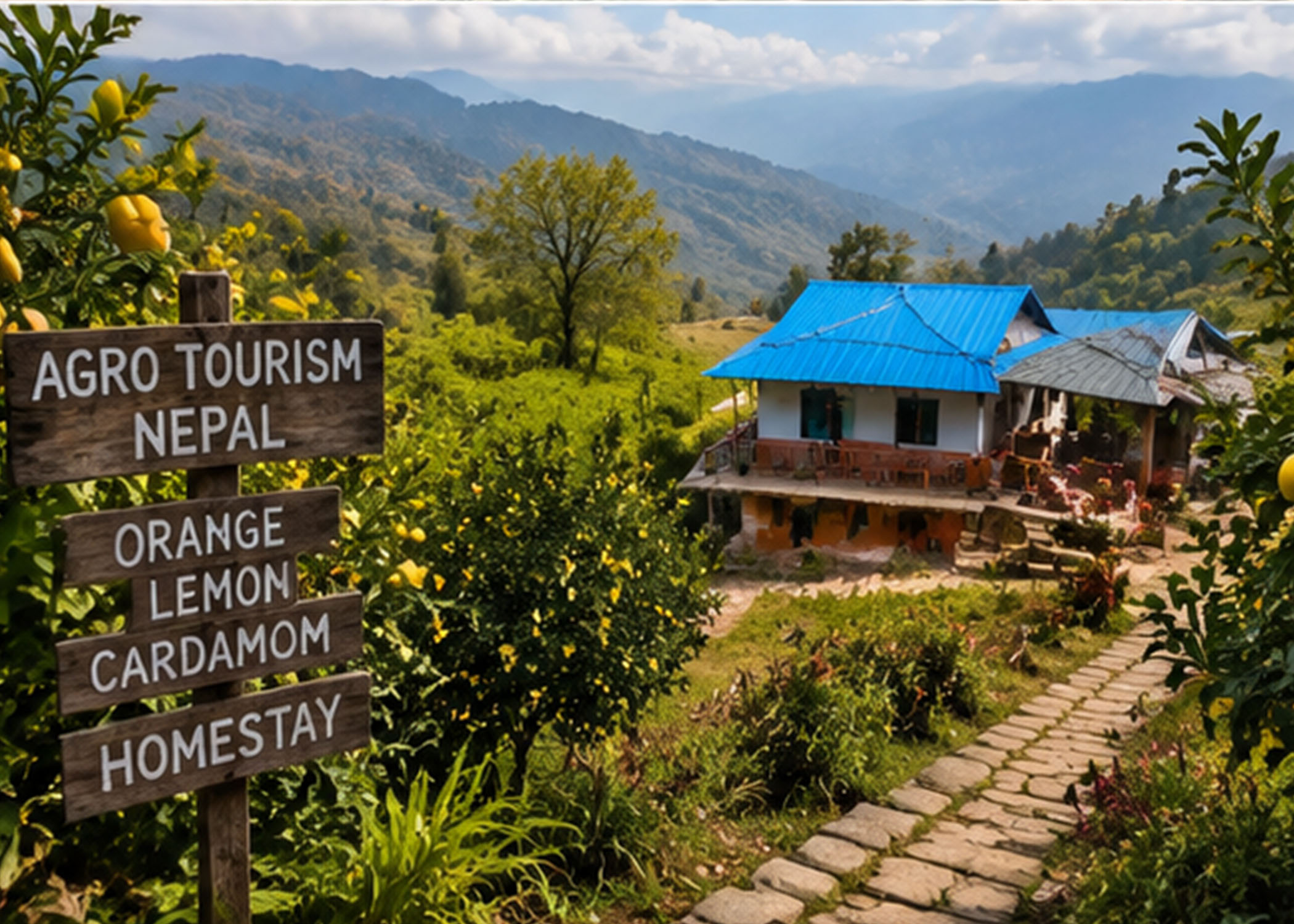
Tourists can directly participate in activities such as picking vegetables, planting rice, plucking tea leaves, or observing coffee farming while staying in villages. Dolakha’s oranges, cardamom, and lemons, Mudhe’s potatoes, the tea gardens of Ilam, the coffee farms of Kavre and Syangja, and the apple orchards of Mustang are some excellent examples of this concept.
Indigenous Culture and Hospitality
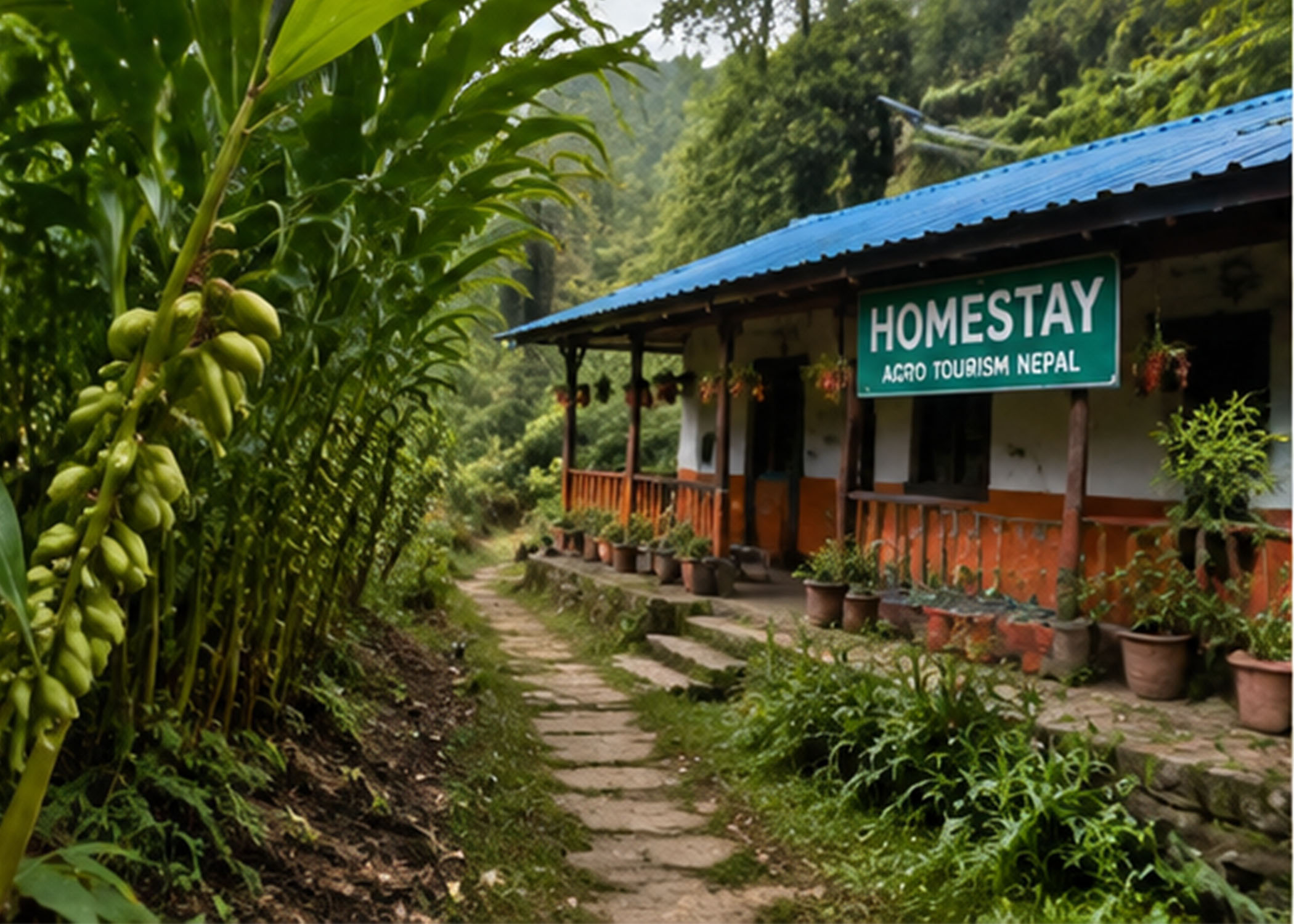
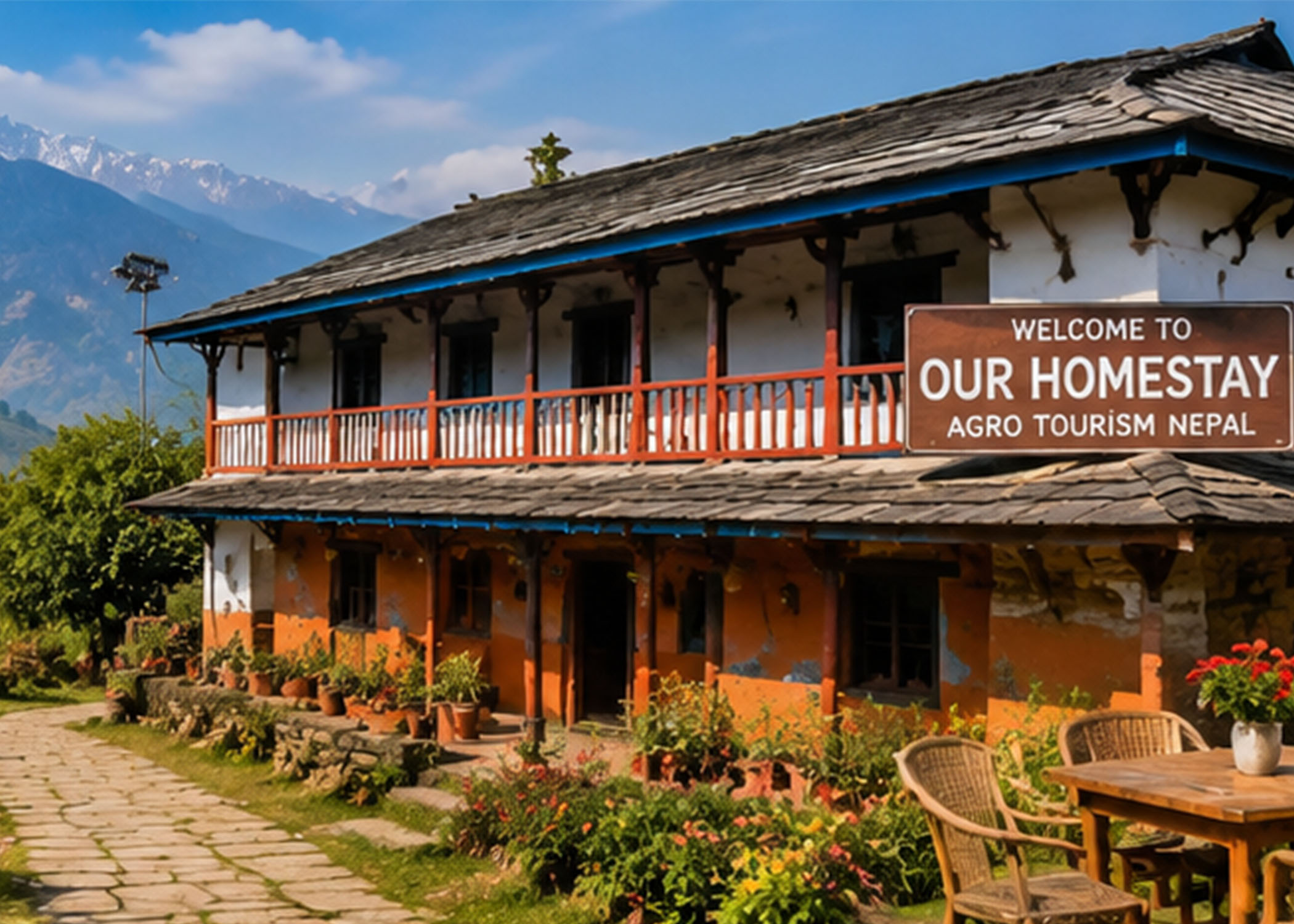
Agro-tourism is directly connected with rural homestays in Nepal. Tourists get the opportunity to stay with local communities and experience their traditional art, culture, attire, and local food culture.
3. Nepal Government’s “Tourism Policy 2082” and Promotion of Agro-Tourism
The recently introduced “Nepal Tourism Policy 2082” aims to diversify the tourism industry beyond its traditional boundaries. The new policy has given special priority to agro-tourism and rural entrepreneurship.
Innovative Tourism Products
The new policy proposes the integrated promotion of agro-tourism, eco-tourism, wellness tourism, and health tourism.
Start-up Capital for Youth
Tourism Policy 2082 has adopted a policy of providing start-up capital and concessional financial support to attract youth and new entrepreneurs in rural areas and to create self-employment opportunities. This is expected to provide significant support to agro-farm and homestay operators.
Use of Technology and AI in Tourism
The new policy also aims to promote Nepal’s agricultural and rural destinations through digital technology and Artificial Intelligence (AI) using multilingual promotional strategies, which will further strengthen digital marketing efforts.
4. Challenges in Nepal’s Tourism Industry
Despite having enormous potential, Nepal’s rural and agro-tourism sector still faces several challenges:
Infrastructure Bottlenecks
Many rural agricultural areas are not well connected to the national road network, making it difficult for tourists to access those destinations.
Lack of Promotion
Nepal’s organic farms and beautiful villages have not yet been effectively promoted at the international level through online and digital marketing platforms.
Migration of Skilled Human Resources
As skilled youth with knowledge of hospitality and agricultural technology continue to migrate abroad, maintaining quality service at the local level has become increasingly difficult.
5. The Way Forward & SEO Strategy
To promote Nepal’s tourism industry globally — especially agro-tourism — there is no alternative to maximizing the use of digital platforms. Informative portals such as nepalagrotourism.com can play a significant role in this sector.
Community-Based Tourism
A bottom-up model should be implemented so that the direct benefits of tourism income reach local farmers and communities.
Easy Access to Online Booking and Information
For both foreign and domestic tourists, information such as the best season to visit agricultural farms, the unique features of each destination, and booking procedures should be made transparent and simple through online platforms.
For Nepal, agro-tourism is not merely a business opportunity; it is one of the most powerful means to revive the rural economy and promote Nepali products globally. With the effective implementation of “Tourism Policy 2082” and technology-friendly participation from the private sector, Nepal can establish itself as one of the world’s leading sustainable tourism destinations.
Agro-Tourism in Nepal: Potential, New Policies, and Top Tourist Destinations
Thursday, June 11, 2026
Tsho Rolpa glacial lake: The Biggest Glacial Lake in Nepal
Monday, June 8, 2026
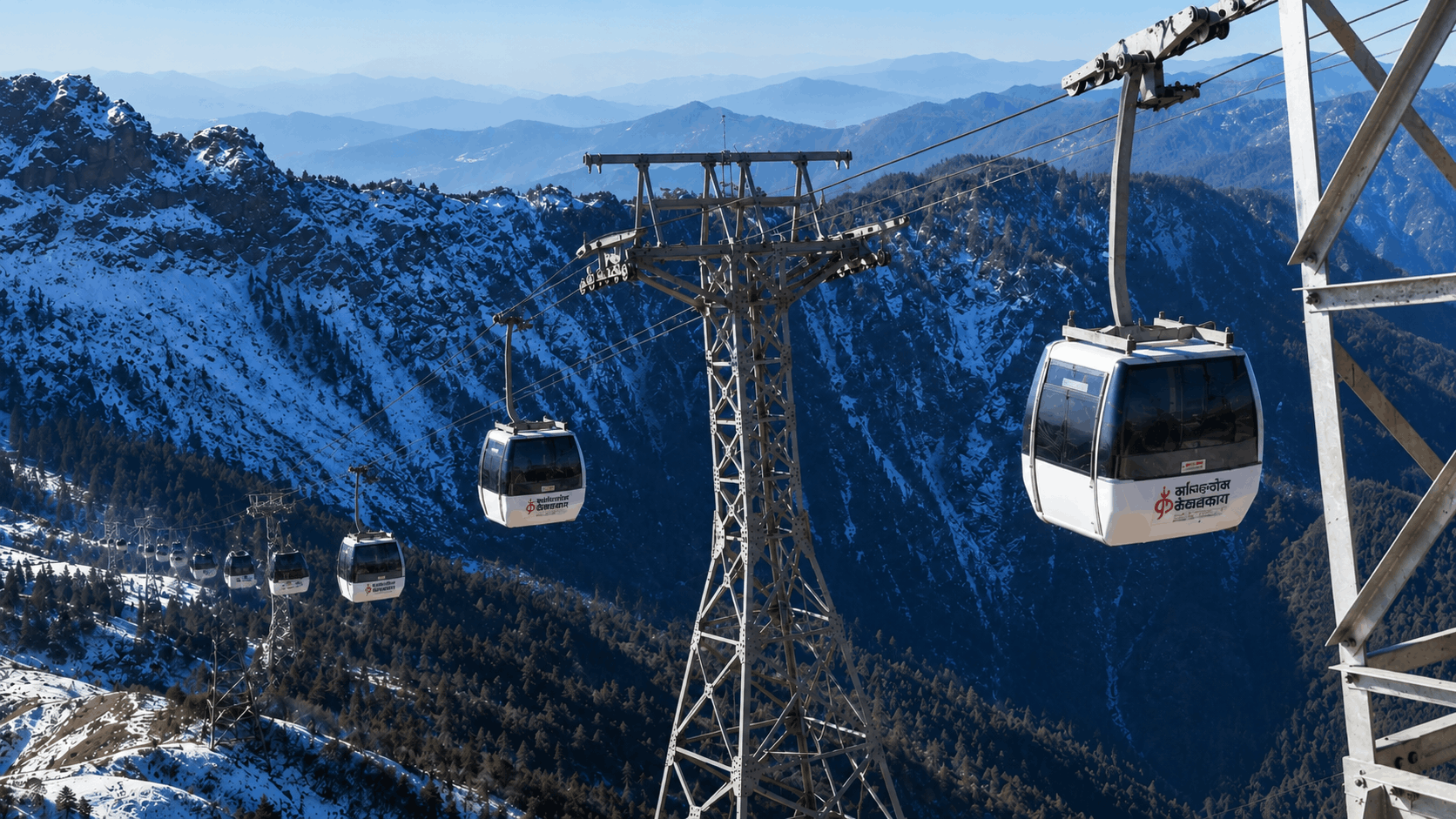
Kalinchowk Tour, Best Place in Dolakha for Snow, Cable Car, and Rural Tourism in Nepal
Thursday, June 4, 2026
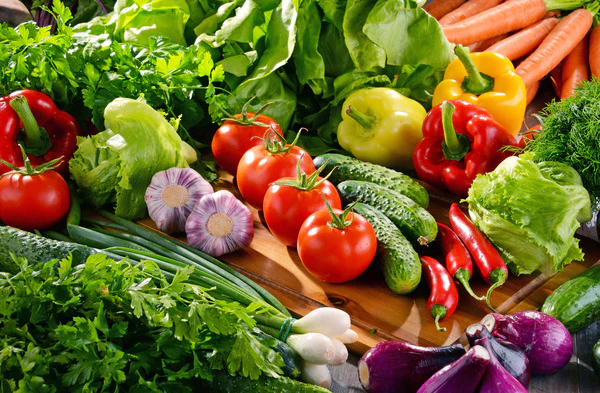
How to Identify Organic Vegetables?
Wednesday, May 27, 2026
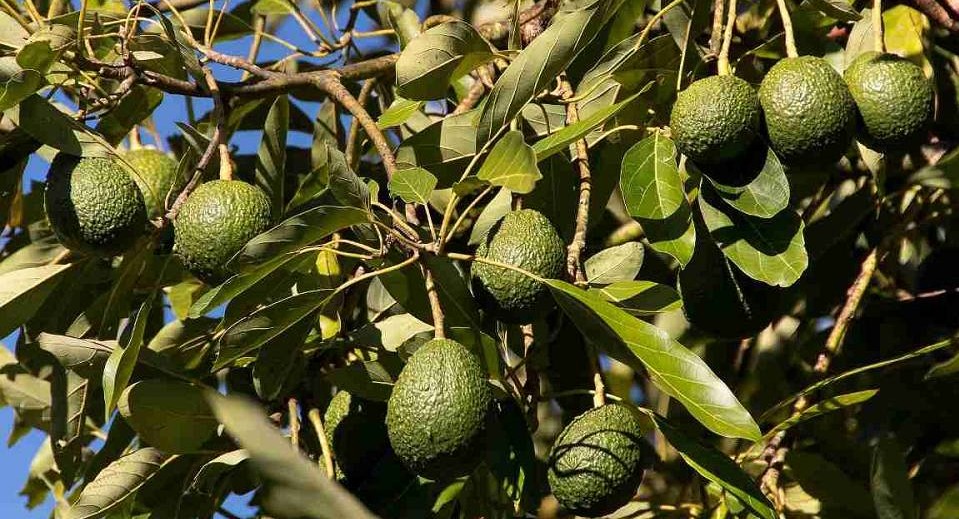
Avocado in Nepal: A Superfruit with Farming and Earning Potential
Friday, November 14, 2025
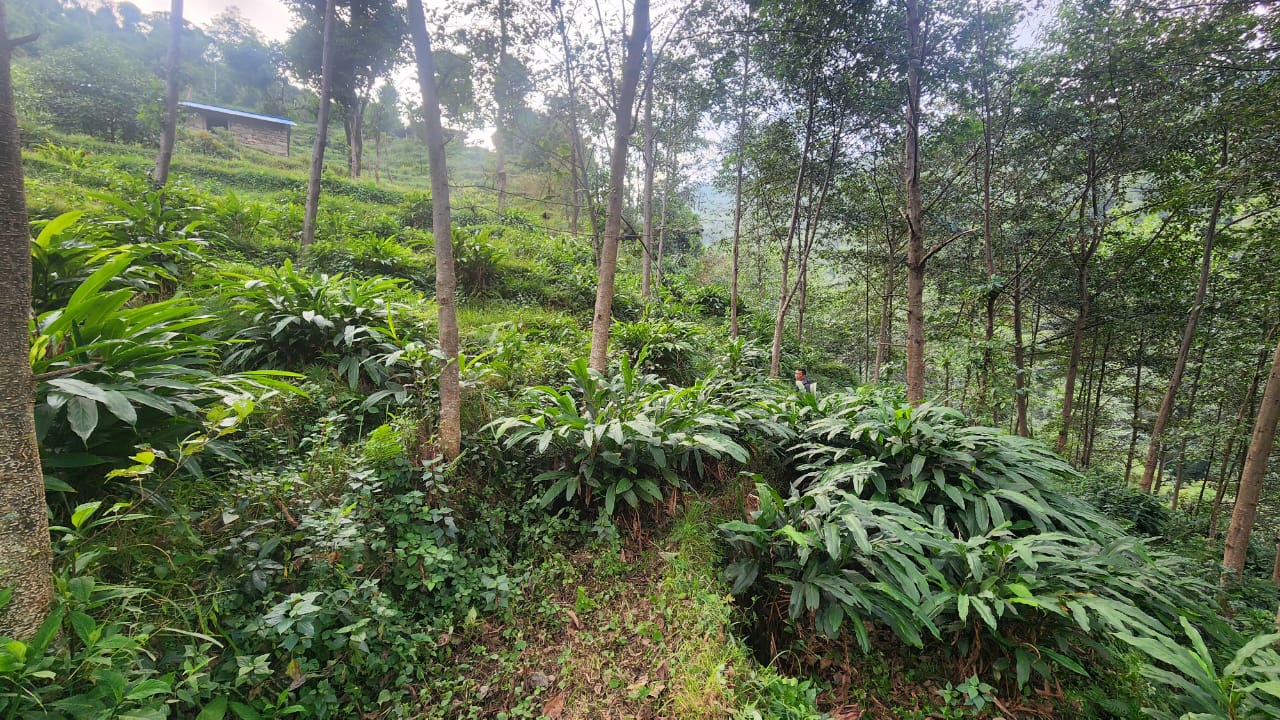
Common Mistakes in Cardamom Farming and Their Practical Solutions
Wednesday, November 12, 2025