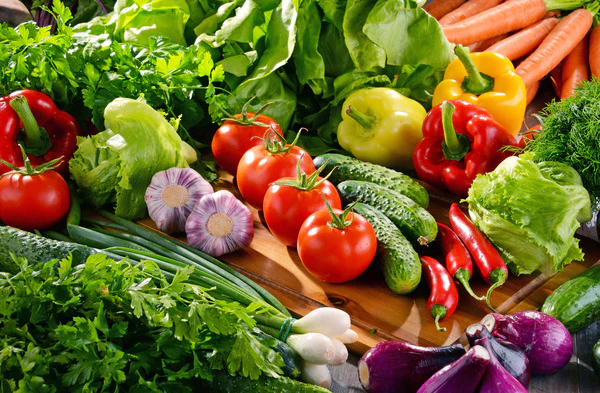
As awareness of healthy living continues to grow, the demand for organic vegetables has increased significantly around the world. Many vegetables sold in markets today are labeled as “organic,” but not all of them are genuinely produced through organic farming methods. Therefore, consumers need to understand how to identify organic vegetables and make informed purchasing decisions.
What Are Organic Vegetables?
Organic vegetables are grown without the use of synthetic fertilizers, chemical pesticides, artificial growth regulators, or genetically modified organisms (GMOs). Instead, organic farming relies on natural methods such as compost, animal manure, crop rotation, biological pest control, and environmentally friendly agricultural practices.
The primary goal of organic farming is to maintain soil fertility, protect the environment, and provide consumers with safe and nutritious food.
Why Are Organic Vegetables Important?
Organic vegetables are often preferred because they contain little to no chemical pesticide residues. In addition, they offer several other benefits:
- Reduced exposure to harmful chemicals.
- More natural taste and aroma.
- Improved soil and water conservation.
- Support for biodiversity and ecosystem health.
- Contribution to sustainable agricultural practices.
- Increased consumer confidence in food safety.
How to Identify Organic Vegetables
1. They May Not Look Perfect
Many consumers associate large, shiny, and perfectly shaped vegetables with high quality. However, genuinely organic vegetables often have natural imperfections. They may vary in size, shape, and color and may even show minor insect marks or blemishes.
For example, an organic tomato may not be perfectly round or uniformly colored, but this does not affect its quality or nutritional value.
2. Avoid Overly Shiny Vegetables
Some conventionally grown vegetables are treated with wax or other substances to enhance their appearance. Organic vegetables generally have a more natural look and are usually less glossy.
A natural appearance is often a good sign that the produce has undergone minimal processing after harvest.
3. Pay Attention to Taste and Aroma
Many consumers report that organic vegetables have a richer flavor and stronger natural aroma. For instance:
- Organic coriander often has a stronger fragrance.
- Organic tomatoes may taste sweeter and more flavorful.
- Fresh organic leafy greens often have a distinct natural freshness.
While taste alone cannot confirm whether a product is organic, it can provide useful clues.
4. Consider Seasonal Availability
Organic farming follows natural growing cycles. Therefore, organic vegetables are usually available according to the season in which they naturally grow.
If a particular vegetable is abundantly available far outside its normal growing season, it may be worth asking about its production methods and origin.
5. Buy from Trusted Sources
One of the most reliable ways to obtain organic vegetables is to purchase them from trusted farmers, certified organic farms, agricultural cooperatives, or reputable organic markets.
When purchasing, consider asking:
- What type of fertilizer was used?
- Were chemical pesticides applied?
- Where was the produce grown?
- Is there any organic certification available?
Transparent producers are usually willing to explain their farming practices.
6. Check for Organic Certification and Labels
Commercial organic products often carry certification labels issued by recognized organic certification bodies. These labels indicate that the farm or producer follows approved organic farming standards.
However, many small local farmers may practice organic farming without formal certification. In such cases, understanding the farmer’s cultivation methods becomes especially important.
Can You Identify Organic Vegetables Just by Looking at Them?
The honest answer is no. It is not possible to determine with complete certainty whether a vegetable is organic simply by examining its appearance. Characteristics such as size, color, and shine can provide hints, but they are not definitive proof.
The most reliable way to verify organic produce is through certification, transparency in farming practices, and trust in the producer or supplier.
Tips for Buying Organic Vegetables
- Purchase from trusted local farmers whenever possible.
- Ask questions about cultivation methods and inputs used.
- Choose seasonal produce.
- Do not rely solely on appearance.
- Wash vegetables thoroughly before consumption.
- Learn about the source of your food.
- Support farms that prioritize sustainable agriculture.
Conclusion
Organic vegetables can play an important role in a healthy and environmentally responsible lifestyle. By avoiding synthetic chemicals and emphasizing natural farming methods, organic agriculture promotes food safety, environmental protection, and long-term agricultural sustainability.
Although it is difficult to identify organic vegetables with absolute certainty based solely on appearance, consumers can make smarter choices by purchasing from trusted sources, understanding production practices, and looking for credible certifications.
Choosing organic vegetables is not just about healthier food—it is also a step toward supporting sustainable farming, protecting natural resources, and creating a healthier future for generations to come.
How to Identify Organic Vegetables?
Wednesday, May 27, 2026
Avocado in Nepal: A Superfruit with Farming and Earning Potential
Friday, November 14, 2025

Common Mistakes in Cardamom Farming and Their Practical Solutions
Wednesday, November 12, 2025
यस्तो छ आजका लागि सागसब्जी र फलफूलको थोक मूल्य
Wednesday, November 5, 2025

Commercial Cardamom Farming in Dolakha
Friday, October 31, 2025

Agro Tourism in Nepal
Friday, October 10, 2025